From Spectator to Stage: How Trevor Gilmore Became a Professional Heckler
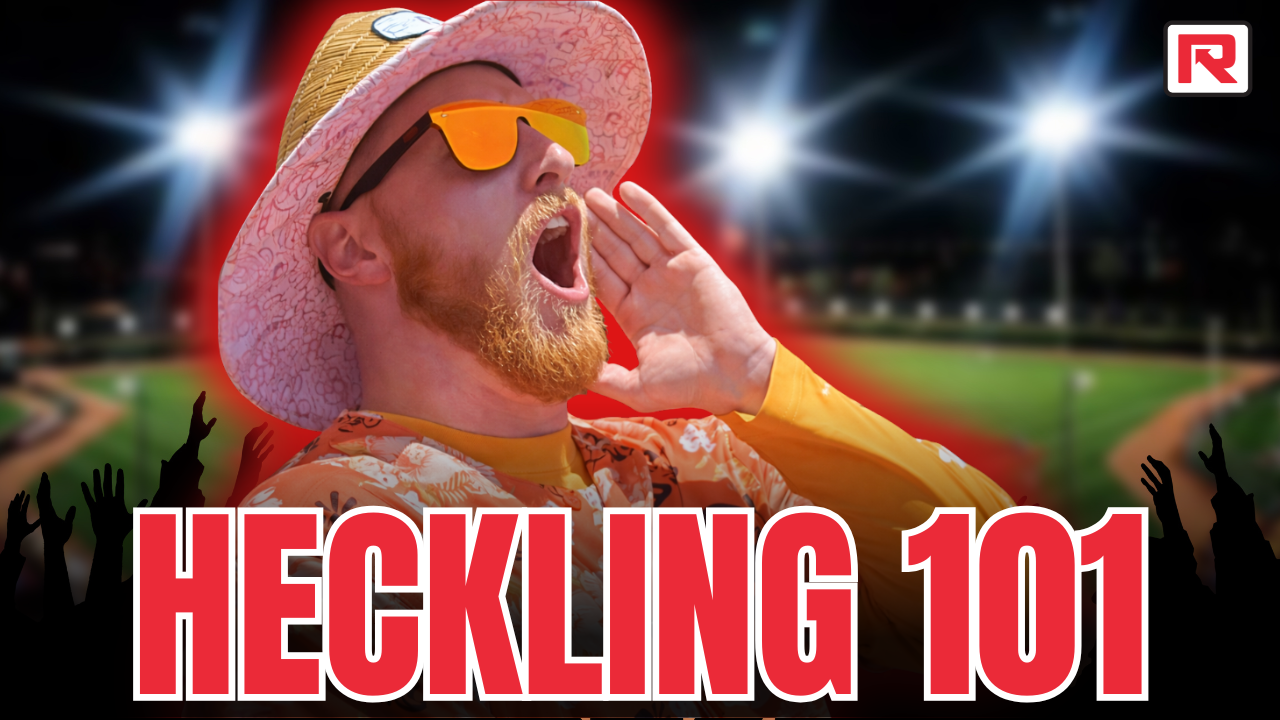
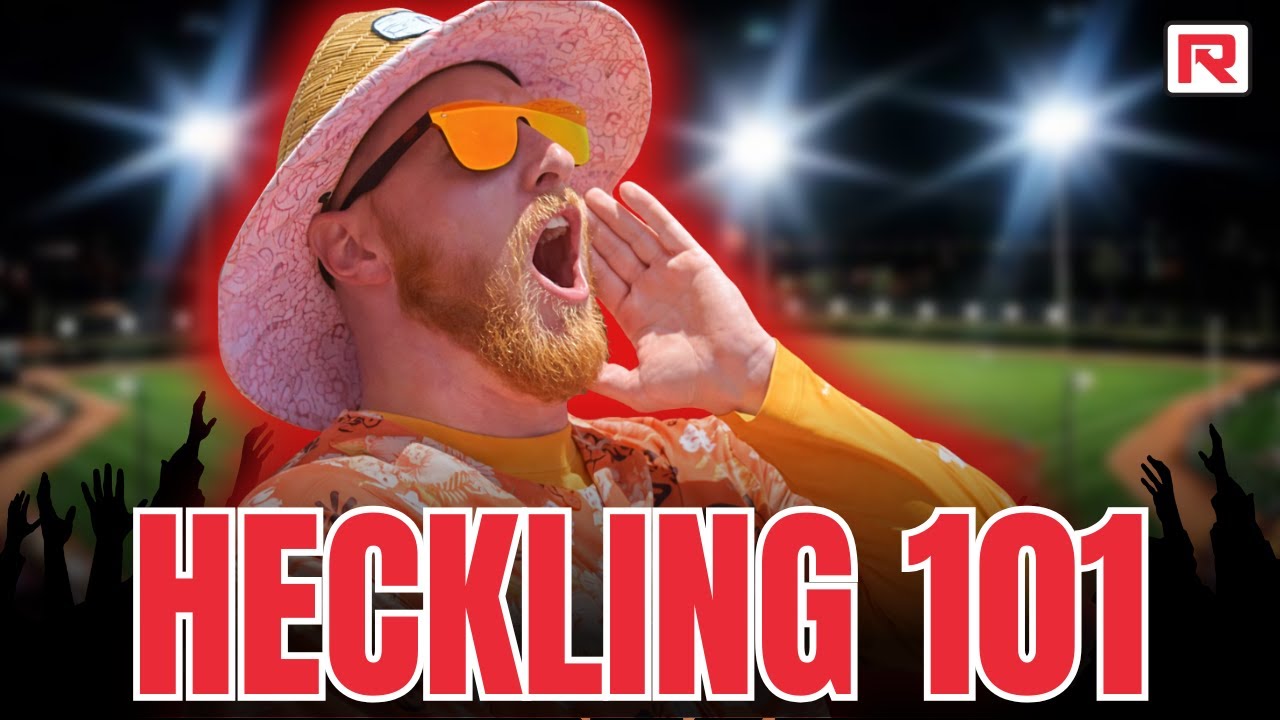
This week, we’re diving deep into a truly unique career path, one that most people have probably never even considered as a profession. In our latest episode, "Chirping with Trevor Gilmore: The Art of Heckling", we had the absolute pleasure of speaking with Trevor Gilmore, a self-described "Professional Heckler." It's a title that immediately sparks curiosity, and as you'll discover in this post, Trevor's journey to achieving it is as fascinating as the profession itself. We'll explore how someone transitions from being a regular audience member to a paid performer who thrives on interrupting and engaging with comedians on stage. This isn't about disruptive, malicious shouting; it's about a finely honed skill, a deep understanding of performance, and an incredibly interesting way to carve out a living. So, grab your metaphorical front-row seat, and let's explore the unexpected world of professional heckling.
The Unexpected Path to Professional Heckling
The very idea of "professional heckling" sounds almost oxymoronic. Heckling is typically associated with disruptive audience members who derail a performance, often with ill intent. Yet, Trevor Gilmore has managed to transform this perception and, more importantly, this act, into a legitimate and sought-after skill. His story is a testament to the fact that sometimes, the most rewarding careers are those that lie outside the conventional box. It's about finding a niche, honing a specific talent, and then figuring out how to monetize it in a way that benefits not just yourself, but also the performers you engage with.
Our conversation with Trevor was eye-opening because it challenged the preconceived notions we all likely hold about heckling. He doesn't see himself as a spoiler of comedy shows; rather, he views himself as an integral part of the performance ecosystem. He’s not there to shut down the comedian, but to elevate the show, to create unexpected moments of humor, and to provide a unique challenge that many comedians actually relish. This nuanced perspective is what makes his journey so compelling. He’s not just a guy who yells things; he’s an artist, a strategist, and an entrepreneur, all rolled into one.
From Audience Member to Artiste: Trevor Gilmore's Origin Story
Every professional has a beginning, and Trevor’s was rooted in a genuine appreciation for live comedy. Like many of us, he was a regular attendee at comedy clubs, not with any intention of getting on stage, but simply to enjoy the art form. He found himself naturally observing the dynamic between the comedian and the audience, noticing the subtle shifts in energy, the comedic timing, and the power of a well-placed remark. It was during these early days that he started to develop an intuition for what made a crowd laugh and, crucially, what made a comedian react.
The transition from passive observer to active participant wasn't a sudden leap, but a gradual evolution. Trevor discovered he had a knack for interjecting comments that were not only funny but also relevant to the comedian’s material. These weren't random outbursts; they were considered, often witty, responses that seemed to land perfectly. It started with small, almost accidental contributions. He might have made a comment under his breath that someone nearby overheard and chuckled at. Or perhaps he’d respond to a comedian’s question with a quip that surprised everyone, including the performer, in the best way possible.
What set Trevor apart was his ability to gauge the room and the comedian’s receptiveness. He wasn't the person shouting obscenities from the back row. Instead, he possessed a keen sense of timing and delivery. He learned to read the energy of the room and the comedian’s set. He realized that a well-timed, intelligent heckle could actually enhance the comedic experience for everyone. It injected an element of unpredictability, a shared secret between him, the comedian, and the audience. This realization was the seed of his future career. He saw the potential for this interaction to be something more than just a disruptive element; he saw it as a form of collaborative performance.
His early experiments were likely met with a mix of reactions – some confused, some amused, some perhaps annoyed. But Trevor was persistent. He honed his skills in smaller, less formal settings, testing the waters and learning what worked. He paid attention to how comedians reacted, what types of interjections they handled well, and what fell flat. This iterative process of observation, experimentation, and refinement is at the heart of how any skill is developed, and Trevor’s journey to becoming a professional heckler is no different. It was a path forged through an genuine love of comedy and a unique talent for engaging with it in a way that was both disruptive and delightful.
The Craft of the Heckle: More Than Just Shouting
This is where we delve into the core of Trevor Gilmore's profession. Professional heckling is far from the crude, disruptive behavior often associated with the term. It’s a sophisticated art form that requires a unique blend of wit, timing, empathy, and an almost surgical understanding of comedic performance. Trevor explained in our episode that his goal is never to “win” against the comedian or to derail their set. Instead, his aim is to enhance the performance, to create unexpected moments of laughter, and to engage in a playful, often collaborative, dynamic with the performer.
The foundation of professional heckling is observation. Trevor is a master of reading the room and the comedian. He listens intently to the material, looking for openings, for potential punchlines, or for opportunities to create a surprising twist. He doesn't just wait for a pause; he anticipates them. He understands the rhythm of a stand-up set, the way a comedian builds tension, delivers a setup, and lands a punchline. His interjections are designed to complement this structure, not to break it entirely.
Timing is paramount. A successful heckle can land like a perfectly timed drumbeat, accentuating the comedian's point or providing a humorous counterpoint. An ill-timed one can fall flat, kill the momentum, or, worse, alienate the audience. Trevor has an innate sense of this timing, honed through countless hours of watching and participating. He knows when to speak, when to hold back, and when to deliver a line for maximum impact. It's about being in sync with the comedian, even while appearing to be at odds with them.
Furthermore, professional heckling requires intelligence and relevance. Trevor’s interjections are not random. They are informed by what the comedian is saying, often building upon their premise or offering a clever, unexpected perspective. He’s not just making noise; he’s contributing to the comedic dialogue. This requires a quick mind, a vast vocabulary, and the ability to formulate a witty response on the spot. It’s a form of improv, but with a very specific, and sometimes challenging, co-star.
Empathy plays a surprising role. While it might seem counterintuitive, a professional heckler needs to understand the comedian's perspective. They need to know what kind of interaction the comedian is likely to handle well, what their boundaries might be, and how to push those boundaries in a way that leads to more comedy, not less. Trevor often works with comedians who understand and even welcome his presence. They know that he’s not there to be malicious, but to be a catalyst for more laughter. He’s essentially an unpredictable element that can force a comedian to think on their feet, leading to potentially hilarious and memorable moments that wouldn’t have occurred otherwise.
Finally, it’s about the delivery. A professional heckle isn't just about the words; it’s about the tone, the volume, and the body language. Trevor delivers his lines with a certain confidence and a hint of playful mischief that signals to the audience and the comedian that this is part of the show. It’s not aggression; it’s a performance within a performance. He has learned to modulate his voice, to project just enough to be heard, and to pause at the right moments. This careful calibration is what elevates his contributions from mere interjections to deliberate acts of comedic artistry. In essence, the craft of heckling, as practiced by Trevor, is about adding another layer of humor and engagement to a live comedy show, transforming a potentially passive audience experience into an active, shared comedic event.
Challenges and Triumphs on the Heckler's Journey
Embarking on a career as a professional heckler is certainly not without its hurdles. Trevor’s path has been paved with misunderstandings, skepticism, and the need to constantly prove the value of his unique skill set. The most significant challenge has likely been the ingrained perception of heckling as purely negative and disruptive. Many venue owners, promoters, and even audience members might initially view his presence as a threat to the comedian’s performance, rather than an enhancement.
Educating people about the distinction between malicious heckling and his professional approach has been an ongoing battle. Trevor has had to demonstrate, time and again, that his interventions are not about personal attacks or intended to humiliate. Instead, they are calculated, witty contributions designed to spark laughter and create memorable moments. This requires immense patience and a consistent ability to deliver on his promise of adding value to the show.
Another challenge lies in the inherent unpredictability of live performance. Trevor is not working from a script. He must be constantly alert, reacting in real-time to the comedian’s material and the audience’s energy. This requires a high level of mental agility and the ability to handle unexpected situations with grace and humor. A comedian might go in a direction he didn't anticipate, or the audience might react in a way that changes the dynamic. He has to be able to adapt and adjust on the fly, ensuring his contributions remain relevant and funny.
Building trust with comedians has also been a crucial, and at times difficult, aspect of his journey. Many comedians, particularly those who are newer to the scene, might be insecure about their material and view any interruption as a sign of weakness. Trevor has had to prove himself to individual performers, often starting with a tentative approach and building a rapport over time. His success hinges on being able to work with comedians who are open to this kind of interaction, and he has cultivated relationships with many who now actively seek him out for their shows.
Despite these challenges, the triumphs have been significant and deeply rewarding. The most notable triumph is simply the establishment of his profession. Trevor Gilmore has carved out a niche where none existed before, demonstrating that there is a demand for his unique talent. He has achieved a level of recognition where comedians and venues actively seek his participation, a testament to the positive impact he has on live entertainment.
The personal triumphs are also noteworthy. Overcoming initial skepticism and proving the validity of his career is a powerful personal achievement. He has learned to trust his instincts, refine his craft, and stand by his unique approach to comedy. Each successful show, each moment of collective laughter he helps to create, is a victory. The smiles on the faces of audience members, the appreciative nod from a comedian after a particularly good exchange, these are the affirmations that fuel his passion and validate his unconventional career choice. His journey is a powerful example of turning a perceived nuisance into a sought-after art form, a true triumph of creativity and persistence.
The Business of Heckling: Building a Unique Career
Turning a skill as unconventional as professional heckling into a sustainable career requires a significant amount of entrepreneurial spirit and business acumen. Trevor Gilmore’s success is not just about his ability to deliver a witty line; it’s also about how he has structured and marketed his unique service. He has essentially built a brand around his persona and his ability to elevate live comedy shows.
The first step in the business of heckling is defining the service. Trevor doesn't just offer to shout things at comedians. He offers a curated experience. He positions himself as a professional entertainer who adds a layer of interactive humor and surprise to comedy nights. This involves understanding his value proposition: he can inject spontaneity, create memorable moments, and sometimes even help a struggling comedian find their footing by giving them something unexpected to work with. This is a far cry from the disorganized heckler who simply wants to be heard.
Marketing and networking have been crucial. Trevor has had to actively promote his services. This likely involves building relationships with comedy club owners, promoters, and comedians directly. He needs to be visible and accessible. Creating an online presence, perhaps through social media or a dedicated website, would be essential for showcasing his talent and providing testimonials. Sharing clips of his interactions (with permission, of course) would be a powerful way to demonstrate his effectiveness.
Pricing his services is another key business consideration. He can’t simply charge a flat fee for every gig. The rates would likely vary based on the type of event, the venue, the prominence of the comedians, and the duration of his involvement. He needs to understand his worth and be able to negotiate fair compensation. This might involve a per-show fee, a retainer for regular engagements, or even a percentage of ticket sales for special events.
Another important aspect is contract negotiation and management. Like any professional performer, Trevor likely needs to have clear agreements in place for his bookings. This would outline the terms of engagement, his responsibilities, payment schedules, and any other relevant details. This ensures that both he and the client are on the same page, minimizing misunderstandings and professional disputes.
Furthermore, he has had to develop a professional demeanor and business practices. This includes being punctual, reliable, communicative, and always maintaining a high standard of performance. His reputation is his most valuable asset, and any lapse in professionalism could jeopardize future opportunities. He has to be seen as a reliable collaborator, not just a disruptive force.
Finally, he’s constantly evaluating and adapting. The comedy landscape is always evolving, and so too must his approach. He needs to stay current with trends in comedy, understand the needs of different venues and performers, and be willing to refine his act. The business of professional heckling is an ongoing process of learning, adapting, and building upon successes. Trevor’s journey is a fascinating case study in how to monetize an unconventional talent by treating it with the seriousness and professionalism of any established business endeavor.
Trevor's Advice for Aspiring Hecklers (and Comedians)
For those who find themselves drawn to the idea of engaging with live comedy in a more active way, Trevor offers some invaluable insights. His advice for aspiring hecklers is grounded in the same principles that have guided his own career: respect, intelligence, and a deep understanding of performance.
His primary piece of advice is to listen and observe. Before even thinking about speaking, understand the comedian’s style, their material, and the vibe of the room. Don’t jump in with the first witty thought that pops into your head. Wait for an opening, a moment where your contribution can genuinely enhance the situation. He emphasizes that a good heckle is relevant and contextualized, not a random jab.
Secondly, he stresses the importance of wit over volume. It’s not about being the loudest person in the room; it’s about being the funniest and most insightful. Your contributions should aim to elicit genuine laughter and surprise, not just to be heard. Think about what you can add that’s clever, unexpected, and perhaps even makes the comedian think on their feet in a humorous way.
Crucially, he advises aspiring hecklers to understand boundaries and be respectful. Malicious, personal attacks are never acceptable. The goal is to be a part of the show, not to ruin it. Know when to back off if the comedian isn’t receptive or if the audience isn’t on board. It's about collaboration, not confrontation. He likens it to a dance; you need to feel the rhythm of the performance and respond accordingly.
For comedians, Trevor’s advice is equally insightful, though from a different perspective. He encourages them to be open to interaction. While it can be nerve-wracking, a well-handled heckle can be one of the funniest parts of a show. Learning to riff off audience members, to engage with unexpected interjections, can elevate a set from good to great. It’s about seeing the heckler not as an adversary, but as an unexpected creative partner.
He also suggests that comedians should develop a toolkit for dealing with hecklers. This doesn’t mean having pre-written comebacks for every situation, but rather cultivating a mindset of quick thinking and adaptability. Sometimes the best response is a simple acknowledgment, a brief exchange, or even a playful dismissal. The key is to maintain control of the stage while still engaging with the audience.
Finally, for both aspiring hecklers and comedians, Trevor’s overarching message is about authenticity and courage. Be true to your comedic voice, whether you’re the one on stage or the one interacting from the crowd. It takes courage to put yourself out there, to take risks, and to engage in the unpredictable nature of live performance. By embracing these principles, individuals can contribute to a more dynamic, engaging, and ultimately funnier live comedy experience.
Conclusion: Redefining Performance and Audience Interaction
As we wrap up our deep dive into the fascinating world of professional heckling, inspired by our incredible conversation with Trevor Gilmore on "Chirping with Trevor Gilmore: The Art of Heckling", it’s clear that Trevor is more than just a novelty act. He’s an innovator, a craftsman, and a visionary who is redefining the very nature of audience interaction in live performance. His journey from a casual comedy-goer to a sought-after professional heckler is a testament to the fact that unique talents, when honed and applied with intelligence and purpose, can forge entirely new career paths.
Trevor’s story challenges our traditional notions of performance, demonstrating that the line between performer and audience can be fluid and dynamic, leading to richer, more engaging experiences for everyone involved. He has taken an act that is often perceived as disruptive and negative and transformed it into a sophisticated art form that adds value, humor, and unpredictability to comedy shows. His meticulous attention to timing, relevance, and respect for the craft of comedy sets him apart, proving that professional heckling is, indeed, a legitimate and valuable skill.
We encourage you to listen to the full episode to hear Trevor’s story in his own words and to gain an even deeper appreciation for the nuances of his profession. His insights offer a valuable perspective not only for aspiring comedians looking to hone their stage presence and audience engagement skills, but also for anyone interested in the evolving landscape of live entertainment. Trevor Gilmore is a prime example of someone who saw an opportunity where others saw an obstacle, and in doing so, he has not only built a unique career for himself but has also contributed to the vibrant and ever-changing world of comedy. His work is a powerful reminder that sometimes, the most exciting performances happen when you least expect them, and when the lines between spectator and stage begin to blur.

Host / Founder
Josh Mahler is a lifelong sports fanatic whose passion for competition and storytelling was forged at an early age. Born in Sioux City, Iowa, and raised in Southern Indiana for much of his childhood, Josh grew up immersed in sports—both as a fan and an athlete. From college football Saturdays to hockey nights, NFL Sundays, and the intensity of MMA, sports were always the backdrop of his life.
That passion wasn’t limited to the couch. Josh played football and wrestled all the way through high school, experiences that shaped his understanding of toughness, preparation, and what it truly takes to compete. Those years instilled a deep appreciation for the grind behind the scenes—an insight that now fuels his analysis and commentary.
A die-hard Oklahoma fan since a young age, Josh turned his fandom into a profession. He currently covers Oklahoma sports for Oklahoma at the Voice of College Football, one of the premier college football podcast networks, where he delivers in-depth breakdowns, film analysis, and big-picture discussions on the Sooners and the evolving landscape of college football. He is also a contributor to OU Insider, further solidifying his presence in the Oklahoma sports media space.
Known for his authentic voice, strong opinions, and fan-first approach, Josh blends a player’s perspective with a lifelong fan’s passion—making him a trusted and engaging host for audiences who live and breathe college sports.
College Football National Championship: Home-Field Advantage Debate